


How Long Does Botox Last: Treatment Effects and Result Timeline
Botox is one of the most popular cosmetic treatments in the world, and still one of the most misunderstood when it comes to timing. Results don’t appear the moment you leave the clinic. Most people start noticing a difference within 3 to 5 days, with the full effect settling in around the two-week mark. From there, results typically last 3 to 4 months, and some patients hold on to them for closer to 6 months. A handful of personal factors influence exactly where you’ll land on that spectrum. Knowing them upfront helps you plan smarter and feel more confident about the process.
What to Expect From Your Botox Treatment
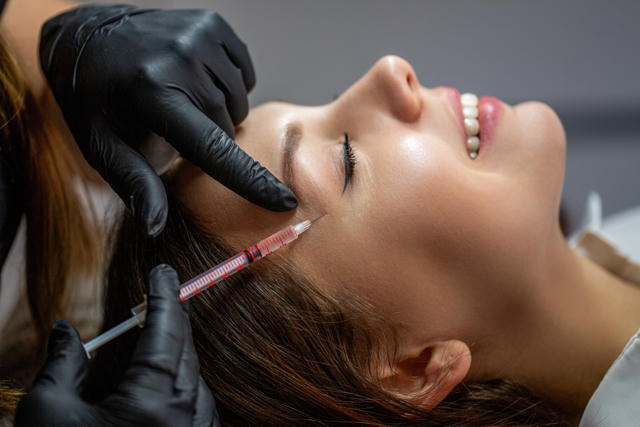
Walking into your first appointment, it helps to know that the procedure itself is quick – usually 10 to 20 minutes. Your provider will assess your facial muscles, discuss your goals, and mark the injection points. Most people describe the sensation as a small pinch, and there’s no downtime required afterward.
What makes Botox so effective is its precision. Your provider isn’t just smoothing wrinkles – they’re strategically relaxing the specific muscles that create them. The forehead, the area between the brows (called the glabella), and the corners of the eyes are among the most commonly treated areas. Each location may respond slightly differently in terms of how quickly results appear and how long they hold.
How Botox Injections Work
Here’s what’s actually happening beneath the skin. Botox injections deliver a purified protein into targeted facial muscles. That protein temporarily blocks the nerve signals that tell those muscles to contract. Less contraction means less creasing. Over time, the skin above those muscles gets a chance to smooth out.
The injections themselves are placed with a very fine needle, and your provider will typically use only a small number of units per area. The whole process feels routine in skilled hands, and most patients are back to their regular day within the hour.
The Science Behind Botulinum Toxin
The active ingredient in Botox is botulinum toxin type A – a name that sounds more dramatic than it is in practice. In the highly controlled amounts used in cosmetic medicine, it has one of the longest and most well-documented safety records of any aesthetic treatment available.
Botulinum toxin works by temporarily interrupting communication between nerves and muscles. It doesn’t damage nerves or permanently change your muscles. The effect simply fades as your body naturally processes the protein over time. That’s why the results aren’t permanent, and why repeat treatments are part of the plan from the start.
When Do Botox Results Appear?
Timing matters here, and it’s worth setting realistic expectations:
- Days 1–3: You likely won’t see much change yet. The protein needs time to bind.
- Days 3–5: Movement in treated areas starts to feel different – you may notice it’s harder to furrow your brow or squint.
- Days 7–10: Visible smoothing becomes apparent to you and others.
- Day 14: Full results are in. This is the right time to follow up if you feel any areas need a touch-up.
Don’t judge your results at the one-week mark. Give the treatment the full two weeks it needs before drawing conclusions.
Understanding Botox Cosmetic and How Long It Lasts
Botox Cosmetic is the FDA-approved brand most people are familiar with, and it’s been in use for cosmetic purposes since 2002. Its track record is extensive, and the longevity of its results is well-studied.
For most patients, results last between 3 and 4 months. With consistent treatments over time, some people find they need fewer units or less frequent sessions – likely because the treated muscles gradually become less active from repeated relaxation. Staying on a regular schedule (rather than waiting until every trace of the treatment has worn off) tends to produce better long-term results and a more natural appearance.
Several factors influence how long your specific results last:
- Metabolism: People with faster metabolisms may process the protein more quickly.
- Muscle strength: Larger muscles may need more units or more frequent retreatment.
- Treatment area: The forehead often lasts longer than areas with smaller, more dynamic muscles.
- Sun exposure and lifestyle: Excess sun, smoking, and dehydration can affect how well and how long any skin treatment holds.
Aftercare Instructions That Make a Difference
What you do in the first 24 hours after your appointment genuinely matters. Your provider will give you specific guidance, but these are the core principles that most practitioners agree on.
Why You Should Avoid Rubbing the Treated Area
Rubbing your face after Botox is one of the most common mistakes patients make – often without realizing it. Pressure and friction applied to injection sites within the first few hours can cause the product to migrate to unintended areas. This can lead to uneven results or, in some cases, temporary drooping in nearby muscles. It’s a simple thing to avoid, and doing so protects the investment you’ve just made.
Avoid Touching for the First Few Hours
Along the same lines, avoid touching the treated areas for at least 4 hours post-treatment. This means no facial massages, no lying face-down, and no pressing your hands against your cheeks or forehead. After that initial window, most normal activity is completely fine.
Other general aftercare tips include:
- Stay upright for at least 4 hours after treatment
- Skip intense exercise on the day of your appointment
- Avoid heat exposure (saunas, hot tubs, hot yoga) for 24–48 hours
- Don’t take blood-thinning medications or supplements immediately after, unless medically necessary
Common Questions About Botox Duration
Does Botox wear off all at once?
No, it fades gradually. You’ll notice movement slowly returning to treated muscles over weeks, not overnight. Most people start scheduling their next appointment when they notice their expressions beginning to re-emerge.
Will I look different when it wears off?
You’ll simply return to your baseline. Botox doesn’t change your face permanently, and discontinuing treatment won’t cause your wrinkles to look worse than they did before you started.
Can I make it last longer?
Staying well-hydrated, protecting your skin from the sun, and keeping up with a consistent treatment schedule are the most practical ways to maximize your results. Some providers also suggest that zinc supplementation may support longevity, though research on this is still emerging.
How many units do I need?
That depends entirely on your anatomy and goals. Your provider will walk you through a unit recommendation during your consultation – there’s no universal number that works for everyone.
Enjoy Our Professional Botox Treatments
Keeping your skin health in top condition goes well beyond a single treatment. It’s an ongoing relationship with a provider who truly understands your face. Our team works precisely, addressing the most common concerns we hear about: forehead lines that make you look tired even when you’re not, crow’s feet that deepen with every smile, and the subtle facial wrinkles that accumulate over time. With proper care before and after each session, and a treatment plan built around your specific anatomy and goals, the results go far beyond smoothing lines. Patients consistently enjoy their more youthful appearance that never looks overdone. When technique and timing come together the right way, optimal results aren’t the exception. They’re what you should expect every time.
Final Thoughts on Botox Duration
Understanding where Botox actually comes from adds useful context to everything we’ve covered. It’s a neurotoxin derived from the bacterium Clostridium botulinum, which sounds alarming until you understand how it works in practice. In carefully controlled amounts, it intercepts nerve impulses before they reach the muscle’s nerve endings, temporarily reducing muscle activity in the treated area. That’s what softens forehead creases, smooths frown lines, and reduces the appearance of smile lines without altering the way your face naturally moves.
The fine lines and wrinkles you came in to address don’t vanish overnight, but as final results develop over two weeks, most patients find the change both visible and natural-looking. It’s also worth knowing that results may not last as long initially as they will with ongoing treatment. The first treatment gives your provider a baseline to work from, and the second treatment often holds better as the muscles begin adapting to reduced movement. Many factors shape your individual experience, including age, skin thickness, and skin elasticity – all of which your provider will take into account.
Following your post-treatment care instructions is just as important as the treatment itself. After receiving Botox treatment, a few simple habits go a long way: remain upright for at least four hours, avoid applying makeup until the following day, and stay hydrated to support your skin’s recovery. Protecting your skin daily with a broad-spectrum sunscreen helps preserve results and keeps the areas around your smile lines and forehead creases from breaking down faster than they otherwise would. As the months pass and the effects begin to gradually reappear, that’s your natural cue to book your next session.

About the Author
Yael Myers, MD