If you have cut calories, exercised regularly, and still cannot lose weight, it is not a sign of failure – it is a sign that deeper factors may be at play. Doctor-supervised weight loss uses clinical evaluation, personalized plans, and medication when appropriate to help you lose weight safely when diet and exercise alone have stalled. This article explores this process, detailing how a medical approach can address the underlying reasons for weight loss challenges.
At Myers Medical in Aventura, FL, our team combines deep expertise in internal medicine with a dedicated wellness focus to build a physician-guided medical weight loss program around your individual health profile.
Weight is influenced by far more than willpower. Your biology, hormones, and underlying health can all create significant roadblocks.
You start a new routine, and the first few pounds come off, then everything grinds to a halt. This happens because your body adapts – metabolism slows to conserve energy, and appetite hormones shift to encourage you to eat more. These are biological responses, not personal failings.
Other common causes of a plateau include:
Eating fewer calories than you think, but not moving enough to create a deficit.
Loss of muscle, which lowers the calories you burn at rest
Poor sleep, which disrupts hunger and fullness hormones
Chronic stress, which raises cortisol and encourages fat storage
Sometimes an undiagnosed or poorly managed medical condition is the primary barrier. Common culprits include:
Thyroid Disorders: An underactive thyroid (hypothyroidism) can slow metabolism and make weight loss extremely difficult.
Hormonal Imbalances: Conditions like PCOS or menopause can alter how your body stores fat and regulates appetite.
Diabetes and Insulin Resistance: When insulin isn’t used effectively, your body stores more glucose as fat, especially around the abdomen.
Depression and Anxiety: These affect eating habits and energy, and certain medications used to treat them may add pounds.
A commercial program can’t order lab tests or interpret your medical history. Dr. Yael Myers uses a comprehensive evaluation to look beyond the number on the scale and uncover the “why” behind your struggles. This allows for a targeted plan that addresses the actual problem, not just the symptoms.
Doctor-supervised weight loss is a medical approach focused on helping you achieve and maintain a healthy weight through evidence-based strategies – a partnership grounded in safety, accountability, and long-term health. It means looking beyond generic advice to address your unique health profile.
Traditional weight loss usually means picking a diet and hoping it works. A medical program treats weight as a clinical topic, not just a lifestyle choice.
Traditional Approach: Focuses on “calories in vs. calories out” with restrictive, hard-to-maintain rules and generic advice.
Medical Approach: Starts with a full health assessment – including blood work and medical history – to address your unique metabolic and hormonal profile, with tailored coaching and medication support when clinically appropriate.
Because every patient is different, your plan is a combination of strategies tailored to your body’s needs. Components may include:
Comprehensive Health Evaluation: A full medical workup, laboratory testing, and a detailed review of your lifestyle and history.
Personalized Nutrition Planning: A sustainable eating plan with real, whole foods that nourishes your body, manages hunger, and supports metabolism.
Lifestyle Coaching: Guidance on physical activity, sleep hygiene, and stress management.
Medication Support: Prescriptions to control appetite, improve metabolism, or address hormonal issues – carefully chosen and closely monitored.
Prescription medications can be a powerful tool when lifestyle changes are not enough. They are prescribed only after an evaluation and are meant to work alongside nutrition and activity, not replace them.
GLP-1 medications mimic a natural hormone that helps regulate appetite and blood sugar. Many patients feel full sooner and stay satisfied longer, making it easier to eat less without constant hunger. They may be especially relevant for people managing insulin resistance or diabetes – always under physician oversight.
Beginning a medical weight loss program is a proactive step toward taking control of your health.
Your first visit is a comprehensive conversation. Dr. Myers reviews your medical history, current medications, past weight loss attempts, and goals. Lab work may be ordered to check for thyroid problems, blood sugar issues, or high cholesterol – and to assess your metabolic and hormone health. This is far more in-depth than a standard check-up and forms the foundation of your program.
Once your results are in, Dr. Myers co-creates a plan built for your real life – your schedule, preferences, and any conditions you manage. It outlines achievable goals for nutrition, activity, and lifestyle, and if medication is suitable, she explains the benefits and what to expect.
Weight loss is not a straight line, and neither is a good program. Regular follow-ups let Dr. Myers track progress, review labs, check for side effects, and adjust medication dosages safely. This continuous support turns short-term changes into lifelong habits.
Losing weight is the first step; keeping it off is the ultimate goal. A medical program is designed with sustainability in mind.
Medication is a strong catalyst, but lasting success comes from habits you can maintain. The program teaches you to make healthier food choices, listen to hunger cues, stay active, and manage stress. Services like IV Drips can complement your journey by boosting energy and ensuring optimal hydration and nutrient levels.
If you feel like you’ve tried everything without success, it may be time for a different approach.
A physician-led program may be right for you if you:
Have struggled with yo-yo dieting for years
Have a significant amount of weight to lose
Are living with a weight-related condition like hypertension, high cholesterol, diabetes, or thyroid issues
Have hit a plateau you can’t overcome on your own
Want a safe, evidence-based program with professional guidance and accountability
Taking the first step is simple. Schedule a consultation with Dr. Yael Myers in Aventura, FL. Together you can review your health, discuss your goals, and decide whether a physician-guided plan is right for you. You can also learn more about our practice before your visit.
When diet and exercise aren’t enough, a medical approach can uncover the reasons behind stalled progress and offer a safe, personalized path forward. With clinical evaluation, tailored plans, and ongoing support from Dr. Yael Myers, you can achieve lasting weight loss and improved health.
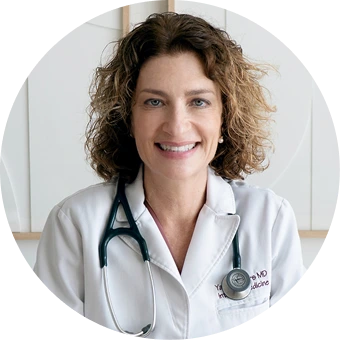
About the Author
Yael Myers, MD