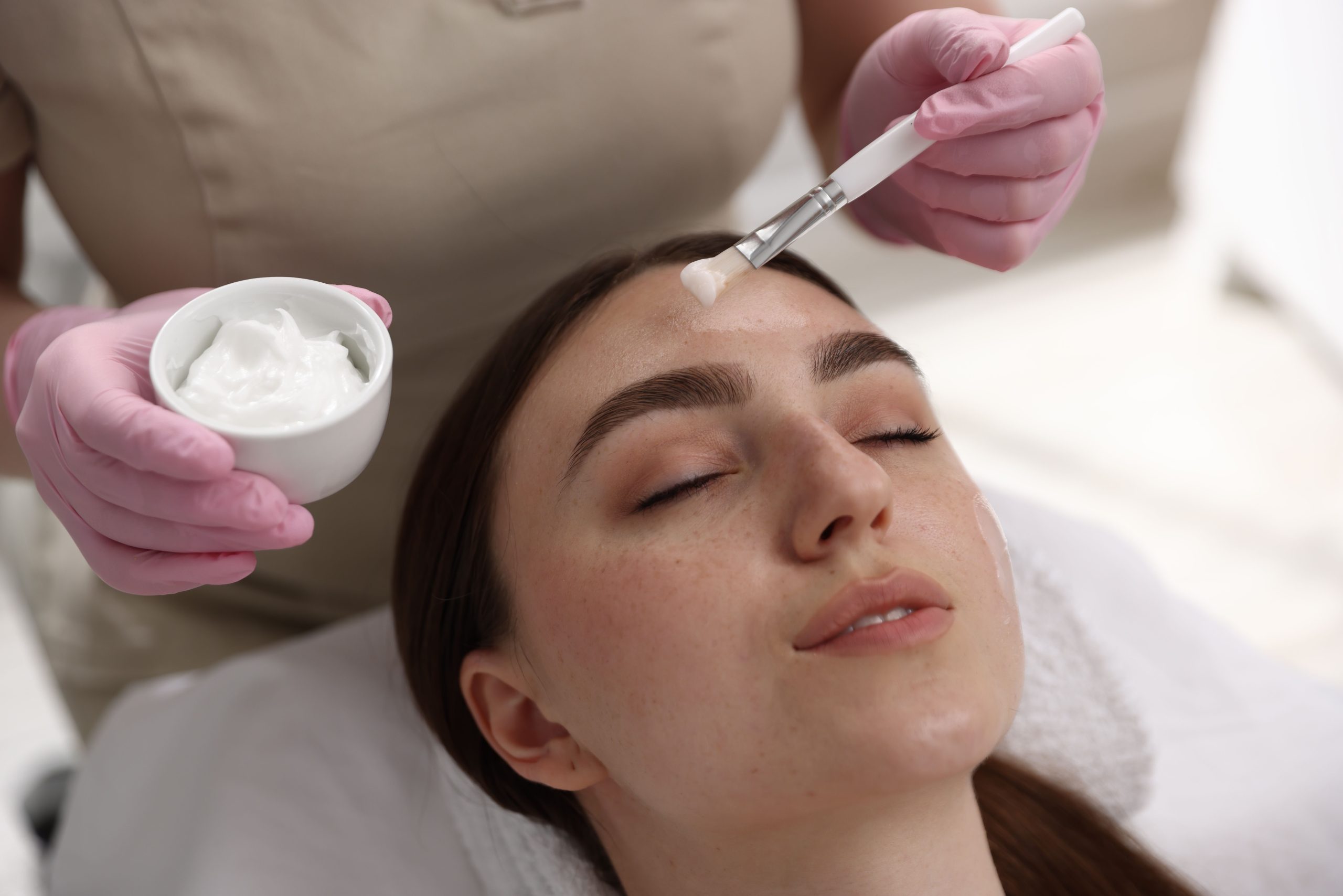
You booked a chemical peel for smoother, brighter skin, and now the “what ifs” are creeping in. Will you be bright red at work on Monday? Is that tight feeling normal? What if you do something wrong and undo all your effort? Take a deep breath. After most peels, you can expect pinkness, tightness, and light flaking that settle within three to seven days. The best way to protect your results comes down to three habits: keep your skin gently cleansed and moisturized, shield it from the sun, and never pick at peeling skin. Do those well, and your skin handles the rest.
Here’s what healing looks like and how to support it.
A chemical peel uses a carefully chosen solution to loosen and remove the damaged outer layers of your skin. Your body responds by building fresh, healthier skin beneath the surface. Redness and flaking are simply signs of that renewal.
How much you notice depends on the strength of your peel. A light peel might feel like a mild windburn. A deeper peel means more visible shedding. Your provider will tell you which one you had, so you know what’s normal for you.
Every person heals a little differently, but this is a common path:
Day 1: Skin looks pink or flushed and may feel warm, tight, or slightly stinging.
Days 2–3: Tightness increases. Skin may look dry, dull, or a bit darker as it prepares to shed.
Days 3–5: Flaking or peeling starts, often around the nose, mouth, and chin first.
Days 5–7: Peeling slows down, and smoother, fresher skin appears.
Week 2 and beyond: Your complexion looks brighter and more even, and results continue to improve as your skin builds new collagen.
Medium-depth peels can take up to two weeks to fully settle. And if you barely peel at all, that doesn’t mean the treatment didn’t work. Some people simply shed in tiny flakes you never notice.
Treat your skin like it’s freshly sunburned. Wash with a mild, fragrance-free cleanser and lukewarm water, then pat dry with a clean towel. Don’t rub. Apply the soothing products your provider recommended, and add a plain, gentle moisturizer whenever your face feels tight. If you can skip makeup for the first day or two, do it. Your skin will thank you.
Once the first couple of days pass, keep things simple. Cleanse twice a day, moisturize often, and use sunscreen every morning. Look for moisturizers with ingredients like ceramides or hyaluronic acid, which support your skin barrier and keep it comfortable while it heals. Drinking plenty of water and getting good sleep help too. Change your pillowcase often so you’re not resting fresh skin on old oil and bacteria.
This is the hardest rule and the most important one. Peeling skin can look messy, and it’s tempting to tug at those loose flakes. But pulling off skin that isn’t ready to go can cause irritation, dark marks, and even scarring.
Let your skin shed on its own. If the flakes bother you, dab on moisturizer to soften them. Skip scrubs, washcloths, and cleansing brushes that promise to “help it along.” They only make things worse. If a stubborn piece really bothers you, call the office and ask how to handle it safely.
Newly renewed skin is more sensitive to UV rays. In sunny South Florida, unprotected exposure can trigger dark spots, which is often the very thing people get peels to fix.
Use a broad-spectrum sunscreen with SPF 30 or higher every morning, even on cloudy days, and reapply every two hours if you’re outside. Mineral formulas with zinc oxide or titanium dioxide tend to be gentler on healing skin. Add a wide-brimmed hat and sunglasses, and stay out of tanning beds and long beach days until your skin has fully recovered.
Your skin needs a break from anything harsh. Until your provider gives the green light, usually about a week, steer clear of:
Retinol, tretinoin, and other retinoids
Exfoliating acids such as glycolic or salicylic acid
Benzoyl peroxide and strong vitamin C serums
Scrubs, brushes, and facial devices
Waxing, threading, or hair removal on treated areas
Hot tubs, saunas, steamy showers, and sweaty workouts for a few days
Chlorinated pools until peeling is finished
Some medications also make skin more sensitive, including acne medicines and certain antibiotics. Make sure your provider knows everything you take, and if you need help keeping track, our medication management service can help. Also mention any history of cold sores, since peels can sometimes trigger a flare-up.
Most healing is uneventful, but trust your instincts. Reach out if you notice:
Severe or worsening pain
Blisters, oozing, or yellow crusting
Fever, or redness, warmth, and swelling that keep spreading
Cold sore-type blisters around the mouth
Dark or unusually light patches developing
Redness that lasts far longer than you were told to expect
These can be signs of irritation or infection, and early care makes a big difference. Don’t wait it out or try to fix it with products from your bathroom cabinet. If you need to be seen quickly, our sick visits are designed for exactly this kind of concern.
Peels often work best as a series, with treatments spaced weeks apart so your skin can fully recover each time. Between visits, keep your routine steady and reintroduce active products slowly, following your provider’s timeline.
Some patients also pair peels with PRP and microneedling to boost collagen and refine texture even more. The key is timing, so ask before scheduling anything new. Treating too soon can irritate skin that’s still healing.
A peel is only half the story. The care you give your skin afterward shapes how bright, smooth, and even it looks a few weeks later. At Myers Medical in Aventura, every peel starts with a personalized skin assessment and ends with clear aftercare instructions, so you never have to guess what’s normal.
Curious about what else could fit your goals? Explore our full range of aesthetic treatments, or call us at (305) 705-5660 to book a consult. Your best skin is worth a little patience, and we’re here to help you get there.

About the Author
Yael Myers, MD