


The most common mistakes in managing high blood pressure at home are taking readings the wrong way, using a cuff that does not fit, reacting to a single number, changing medication without guidance, and letting lifestyle habits slip once the numbers look better. Each of these errors can hide a real problem or create a false alarm. The good news is that every one of them is easy to correct once you know what to look for.
Dr. Yael Myers, MD, Internal Medicine, treats hypertension with a focus on accurate diagnosis, personalized treatment, and patient education. Home monitoring is one of the most useful tools in that process. Below, we cover the common mistakes in managing high blood pressure at home and how to avoid them.
Errors in Measuring Blood Pressure at Home
Home readings give your provider a picture of your blood pressure in daily life, outside the stress of an exam room. That picture is only useful if the numbers are accurate. A reading can be off by 10 points or more because of small, fixable details.
What Causes Inaccurate Blood Pressure Readings?
Inaccurate readings usually come from one of three sources: the device, the person being measured, or the way the measurement is taken. Many patients focus only on the monitor itself. In practice, how you sit and when you measure matter just as much as what you measure with.
Device-Related Factors
The monitor you choose sets the ceiling for accuracy. Common device problems include:
Using a monitor that has not been validated. Not every monitor sold online has been tested for clinical accuracy. Look for packaging or product details stating the device has been validated.
Choosing a wrist or finger monitor over an upper-arm model. Wrist monitors are very sensitive to arm position. Finger monitors are generally unreliable. An upper-arm cuff is the standard choice for most adults.
Using an old or worn device. Cuffs crack, tubing leaks, and sensors drift over time. A monitor that worked well years ago may no longer read correctly.
Low batteries. Weak batteries can cause errors or inconsistent results on some models.
A cuff that does not fit. This is one of the most frequent device problems, and we cover it in detail below.
A simple fix is to bring your home monitor to your next visit. We can compare its reading with an in-office measurement to confirm it is reliable.
Patient-Related Factors
Your body’s state in the minutes before a reading has a direct effect on the result. These factors can push numbers higher:
A full bladder. Needing to use the restroom can raise systolic pressure noticeably. Empty your bladder first.
Caffeine, nicotine, or exercise. Coffee, energy drinks, smoking, vaping, and physical activity can all raise blood pressure for a short time. Wait at least 30 minutes after any of these before measuring.
Stress, pain, or rushing. Measuring right after an argument, a stressful phone call, or a hurried walk across the house will not reflect your true resting pressure.
Talking. Speaking during the reading can raise the numbers. Stay quiet until the cuff fully deflates.
A recent large meal or alcohol. Both can affect readings in either direction. Try to measure at a consistent time relative to meals.
Procedure-Related Factors
Even with a good device and a calm body, technique can throw off a reading. Common procedure mistakes include:
Placing the cuff over clothing. Sleeves add bulk and can squeeze the arm. The cuff should sit on bare skin.
Letting the arm hang or rest too high. Your arm should be supported on a table with the cuff at heart level.
Sitting without back support. Perching on the edge of a bed or stool can raise readings. Sit in a chair with your back supported.
Crossing your legs. Crossed legs can raise systolic pressure. Keep both feet flat on the floor.
Skipping the rest period. Measuring the moment you sit down does not give your body time to settle.
Taking only one reading. A single number can be an outlier. Two or more readings give a clearer picture.
How to Ensure Accurate Blood Pressure Measurement
Accurate home monitoring comes down to a good fit and a repeatable routine. When you measure the same way every time, changes in your numbers reflect real changes in your health rather than changes in your technique.
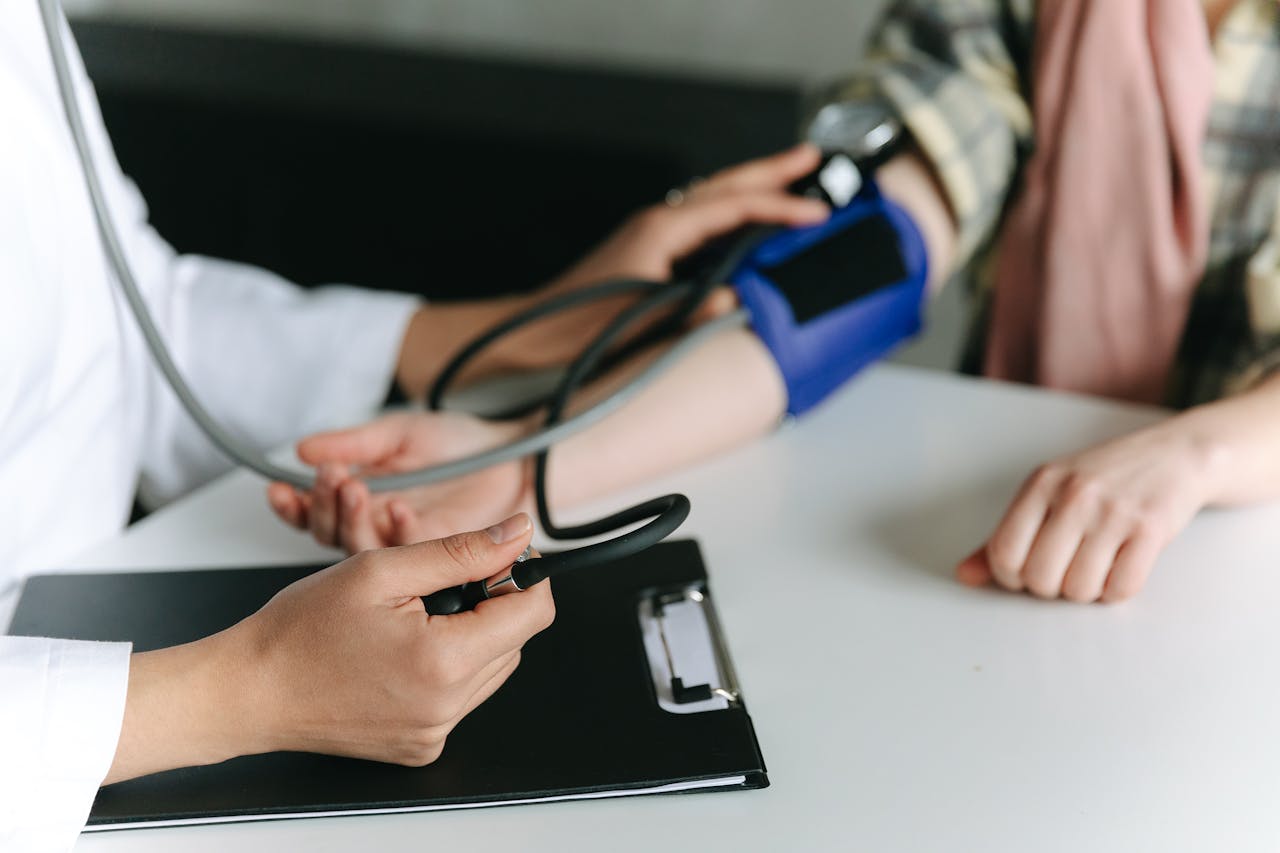
Choosing the Right-Size Cuff
Cuff size is one of the most overlooked parts of home monitoring. A cuff that is too small tends to give falsely high readings. A cuff that is too large can give falsely low readings. Either error can lead to the wrong treatment decisions.
To find the right fit:
Measure your upper arm. Use a soft tape measure around the middle of your upper arm, halfway between your shoulder and elbow.
Compare that number to the cuff range. Most monitors list the arm circumference each cuff fits. Many standard cuffs fit an average adult arm but not a larger or smaller one.
Buy a different cuff if needed. Many manufacturers sell small, large, and extra-large cuffs that work with the same monitor.
Check the fit when the cuff is on. The inflatable part should wrap most of the way around your arm. You should be able to slide about two fingertips under the top edge.
If your weight has changed a lot since you bought your monitor, measure your arm again. A cuff that once fit may no longer be the right size.
Proper Measurement Techniques
Once your cuff fits, follow the same routine each time:
Prepare. Empty your bladder. Avoid caffeine, nicotine, and exercise for at least 30 minutes beforehand.
Sit correctly. Use a chair with back support. Keep your feet flat on the floor and your legs uncrossed.
Position your arm. Rest your arm on a table so the cuff is level with your heart. Place the cuff on bare skin, about an inch above the bend of your elbow.
Rest quietly. Sit still for five minutes before the first reading. Do not talk, read, or look at your phone.
Take two readings. Wait about one minute between them. If they differ by a wide margin, take a third.
Measure at consistent times. Many patients take readings in the morning before medication and in the evening. Your provider may suggest a specific schedule.
Record every result. Write down the date, time, both numbers, and your pulse. Many monitors store readings, but a written log or app makes it easier to share trends.
Consistency matters more than perfection. A week of readings taken the same way is far more useful than one perfect reading.
Avoiding Common Management Mistakes
Accurate numbers are only the first step. What you do with them shapes your long-term health. Several common mistakes in managing high blood pressure at home happen after the cuff comes off.
Misinterpreting Readings
Blood pressure naturally rises and falls throughout the day. It is often higher in the morning, during stress, and after activity. A single high or low reading does not usually mean your treatment has failed or that you are cured.
Common interpretation mistakes include:
Reacting to one number. One reading of 150/95 after a stressful morning is less meaningful than a week of readings averaging 135/85. Look at trends over days and weeks.
Focusing only on the top number. Both systolic and diastolic pressure matter. Track both.
Ignoring low readings. Readings that are much lower than usual, especially with dizziness or lightheadedness, are worth reporting. They may mean a medication needs adjustment.
Assuming office and home readings should match. Some patients have higher readings in a medical setting because of anxiety, which is often called white coat hypertension. Others have normal office readings but high readings at home. Home monitoring helps uncover both patterns.
Not sharing the log. Your readings are most helpful when your provider can review them alongside your symptoms and medications.
Skipping or Altering Medication Without Guidance
Blood pressure medication works when taken consistently. Many patients change their routine without talking to their provider first. This is one of the riskiest home management errors.
Common examples include:
Stopping medication because readings look normal. Normal numbers often mean the medication is working. Stopping it can cause blood pressure to rise again, sometimes quickly.
Skipping doses because of side effects. Side effects such as fatigue, dizziness, swelling, or a cough are worth discussing. There are often other options that may suit you better.
Doubling a dose after a high reading. Taking extra medication on your own can drop your pressure too low.
Taking doses at random times. Many blood pressure medications work when taken at about the same time each day.
Overlooking other medications and supplements. Some over-the-counter cold medicines with decongestants and common pain relievers can raise blood pressure. Certain supplements can also interact with prescriptions.
Our medication management service focuses on optimizing your medications and reducing side effects. If something about your prescription is not working for you, that conversation is the right place to adjust it safely.
Ignoring Lifestyle Recommendations
Medication and lifestyle work together. Many patients start strong with diet and exercise changes, then drift back to old habits once their numbers improve. Those habits can slowly undo progress.
Areas that often slip include:
Sodium intake. Most dietary sodium comes from packaged foods, restaurant meals, deli meats, soups, and sauces. Reading labels is often more effective than putting away the salt shaker.
Physical activity. Regular movement, such as brisk walking on most days, supports healthy blood pressure. Long gaps in activity can let numbers creep back up.
Alcohol. Drinking more than moderate amounts can raise blood pressure and interfere with some medications.
Weight. Even modest weight loss can lower blood pressure for many patients. Our medical weight loss program can support that goal.
Sleep. Poor sleep and untreated sleep apnea are linked with higher blood pressure. Loud snoring, gasping at night, or daytime sleepiness are worth mentioning.
Stress. Ongoing stress affects both blood pressure and the habits that control it. Building regular stress relief into your week can help.
High blood pressure also tends to appear alongside other conditions such as high cholesterol and diabetes.
When to Seek Medical Advice
Home monitoring helps you spot problems early. Knowing when to act is just as important as knowing how to measure.
Seek emergency care right away if your reading is 180/120 or higher and you have any of these symptoms:
Chest pain or pressure
Shortness of breath
Sudden severe headache
Numbness or weakness, especially on one side of the body
Trouble speaking or confusion
Changes in vision
If your reading is 180/120 or higher without symptoms, rest quietly for five minutes and measure again. If it stays that high, contact your provider promptly.
Reach out to your provider soon if you notice:
Readings that stay above the target your provider set for you over several days
A steady upward trend in your log
Readings that are unusually low, especially with dizziness or fainting
New or bothersome medication side effects
Large differences between your home and office readings
Questions about whether your monitor is accurate
Regular follow-up is part of good hypertension care, even when things feel stable. Our chronic care service helps manage ongoing conditions. Routine lab testing and annual physicals also help track how blood pressure affects your kidneys, heart, and overall health.
Dr. Yael Myers reviews home readings alongside your history, medications, and lab results. That full picture allows treatment to be adjusted to your needs rather than a single number.
Conclusion: Staying on Track With Home Blood Pressure Management
Avoiding the common mistakes in managing high blood pressure at home starts with accurate readings: a validated upper-arm monitor, a cuff that fits, and a consistent routine. From there, focus on trends rather than single numbers, take medication as prescribed, and keep lifestyle habits steady even when readings improve. Share your log with Dr. Yael Myers at Myers Medical so your treatment plan can be adjusted based on how your blood pressure behaves in everyday life.